
Understanding Global Medicine Delivery Options and Global Pharmacy Delivery Logistics
Accessing affordable medicines in bulk and having them delivered quickly anywhere in the world is a growing need. As someone who navigates the complexities of global pharmacy delivery logistics, I want to share clear insights on how medicine delivery works on a global scale. This post will help you understand the options available, the challenges involved, and how to make the best choices for your medicine needs.
What Are Global Pharmacy Delivery Logistics?
Global pharmacy delivery logistics refers to the entire process of getting medicines from manufacturers or suppliers to customers worldwide. This includes packaging, shipping, customs clearance, and last-mile delivery. Efficient logistics ensure medicines arrive safely, on time, and in good condition.
Pharmaceutical products require special handling. Many medicines need temperature control or protection from moisture. This adds complexity to shipping. Logistics providers must comply with international regulations and quality standards.
For example, shipping antibiotics in bulk requires refrigerated containers to maintain effectiveness. On the other hand, some tablets can be shipped at room temperature but still need secure packaging to avoid damage.
Understanding these logistics helps customers choose reliable suppliers and delivery methods.
Key Global Medicine Delivery Options
There are several delivery options for global medicine shipments. Each has pros and cons depending on urgency, cost, and destination.
1. Air Freight
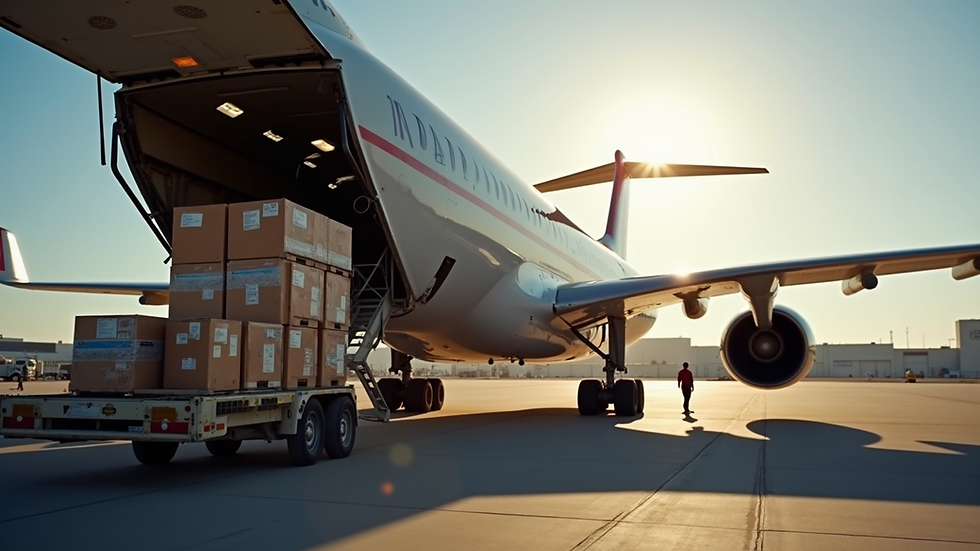
Air freight is the fastest option. It is ideal for urgent deliveries or medicines with a short shelf life. However, it is also the most expensive.
Pros: Fast delivery, reliable schedules, good for temperature-sensitive products.
Cons: High cost, limited cargo space, restrictions on hazardous materials.
2. Sea Freight
Sea freight is cost-effective for large, non-urgent shipments. It is slower but suitable for bulk orders.
Pros: Lower cost, large volume capacity.
Cons: Longer transit times, risk of delays, requires good packaging to prevent damage.
3. Courier Services
Courier companies like DHL, FedEx, and UPS offer door-to-door delivery. They handle customs clearance and provide tracking.
Pros: Convenient, fast for small to medium packages, reliable tracking.
Cons: More expensive for large shipments, size and weight limits.
4. Postal Services
National postal services can be an affordable option for small packages. Delivery times vary widely depending on the country.
Pros: Low cost, wide reach.
Cons: Slower, less reliable tracking, customs delays.
Choosing the right option depends on your budget, order size, and delivery speed requirements.
Challenges in Global Medicine Delivery
Shipping medicines globally involves several challenges. Knowing these helps in planning and avoiding issues.
Regulatory Compliance
Medicines are regulated by health authorities in every country. Import and export rules vary. Some medicines require special permits or licenses.
For example, controlled substances may need additional documentation. Failure to comply can result in shipment delays or confiscation.
Customs Clearance
Customs procedures can slow down delivery. Proper paperwork and accurate declarations are essential. Working with experienced logistics partners can ease this process.
Temperature Control
Many medicines must be kept within specific temperature ranges. Cold chain logistics use refrigerated containers and temperature monitors to maintain quality.
Packaging and Security
Medicines must be securely packaged to prevent damage and tampering. Packaging also protects against moisture, light, and contamination.
Delivery to Remote Areas
Reaching remote or rural locations can be difficult. Limited transport infrastructure and customs checkpoints add complexity.
How to Choose the Best Global Medicine Delivery Service
Selecting the right delivery service is crucial for timely and safe medicine arrival. Here are some tips:
Check Experience: Choose providers with experience in pharmaceutical logistics.
Verify Compliance: Ensure they follow international regulations and quality standards.
Consider Speed vs Cost: Balance your need for fast delivery with budget constraints.
Look for Tracking: Real-time tracking helps monitor your shipment.
Ask About Packaging: Confirm they use appropriate packaging for your medicines.
Review Customer Support: Good communication helps resolve issues quickly.
For bulk orders, air freight combined with a reliable courier service often works best. For less urgent shipments, sea freight can save money.
The Future of Global Medicine Delivery
Technology is transforming global pharmacy delivery logistics. Innovations include:
Blockchain: Enhances transparency and traceability in the supply chain.
Drones: Offer potential for fast delivery to hard-to-reach areas.
Smart Packaging: Monitors temperature and tampering in real time.
AI and Data Analytics: Optimize routes and predict delays.
These advances will make medicine delivery more efficient and reliable worldwide.

Making Bulk Medicine Purchases Easier
Buying medicines in bulk can reduce costs significantly. However, it requires careful planning:
Verify Supplier Credibility: Ensure the supplier is licensed and reputable.
Understand Import Rules: Know the regulations in your country.
Plan Delivery Timing: Account for shipping and customs clearance times.
Check Storage Requirements: Prepare proper storage for large quantities.
Use Trusted Logistics Partners: They can handle complex shipments smoothly.
By following these steps, you can access affordable medicines in bulk with confidence.
I hope this guide helps you understand the options and challenges in global medicine delivery. With the right knowledge and partners, getting your medicines delivered quickly and safely anywhere in the world is possible. For more information on affordable bulk medicines and reliable delivery, visit Ivermectine Store.


Comments